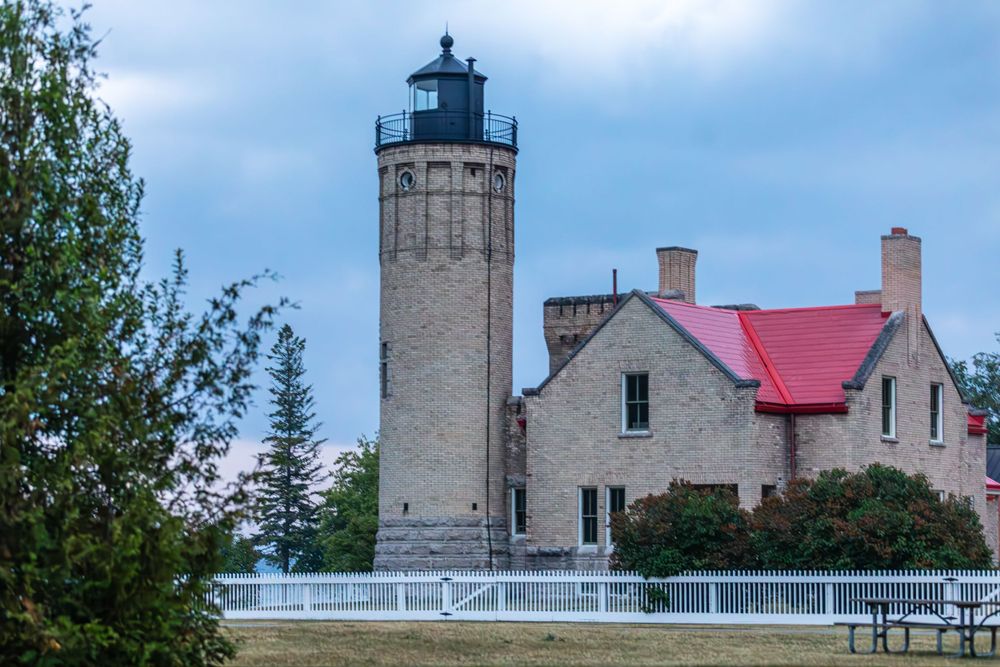
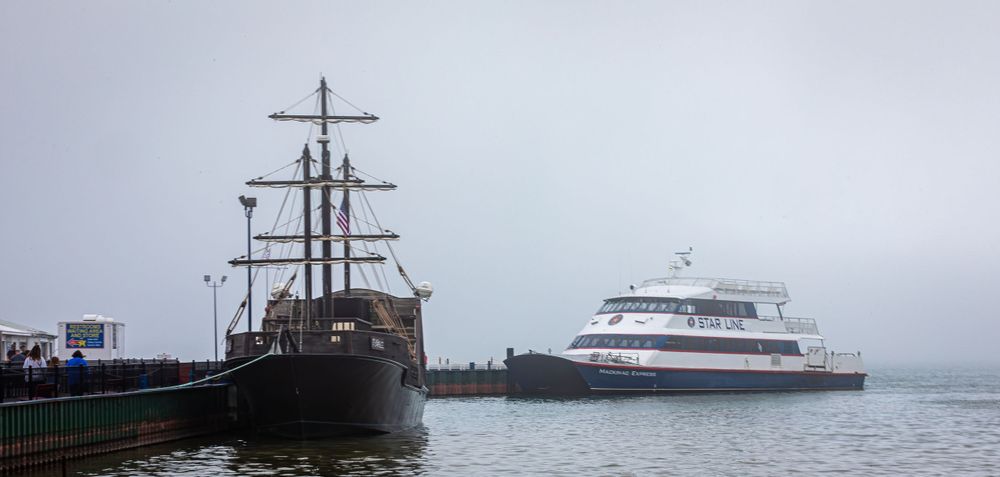
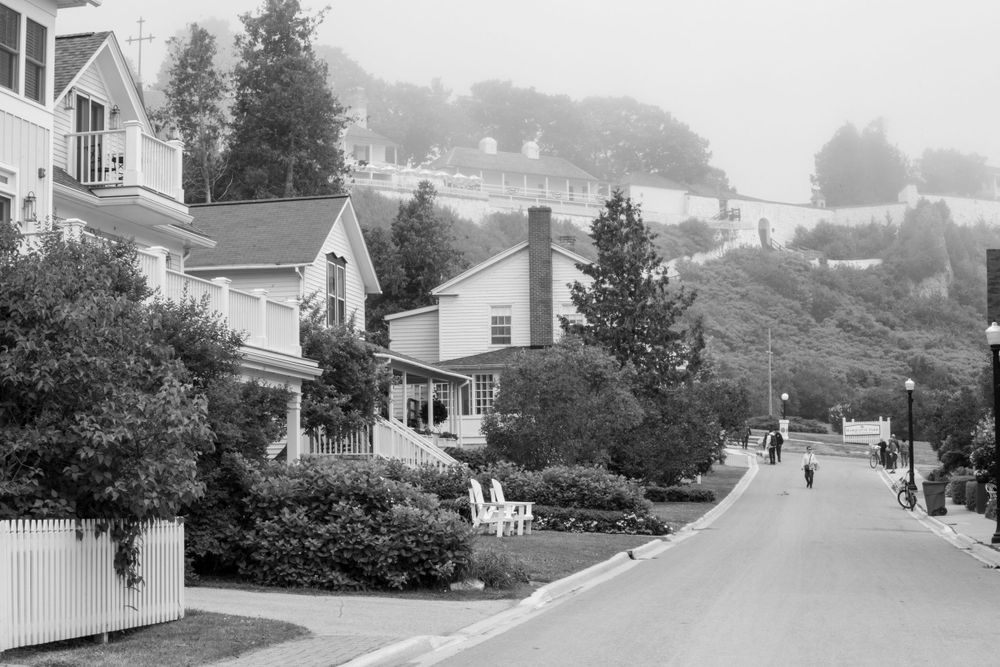
Mackinac Island, situated in Lake Huron between Michigan's Upper and Lower Peninsulas, holds a rich historical significance dating back centuries. Initially inhabited by the indigenous Anishinaabe people, the island became a pivotal point for European exploration and trade during the 17th century. French fur traders established a presence on the island in the early 17th century, utilizing its strategic location as a trading hub for the lucrative fur trade. Later, during the British colonial period, Mackinac Island served as a military outpost and played a crucial role in the fur trade network, attracting traders, trappers, and Native American tribes to its shores.
One of the most iconic features of Mackinac Island's history is the establishment of Fort Mackinac by the British in 1780. Perched atop a limestone bluff overlooking the Straits of Mackinac, the fort served as a key military stronghold during the War of 1812. It was the site of two significant battles between British and American forces, including the Battle of Mackinac Island in 1812 and the Surrender of Mackinac Island in 1814. After the war, the fort continued to function as a military garrison until its decommissioning in 1895. Today, Fort Mackinac stands as a well-preserved historical site, offering visitors a glimpse into the island's military past through guided tours and reenactments.
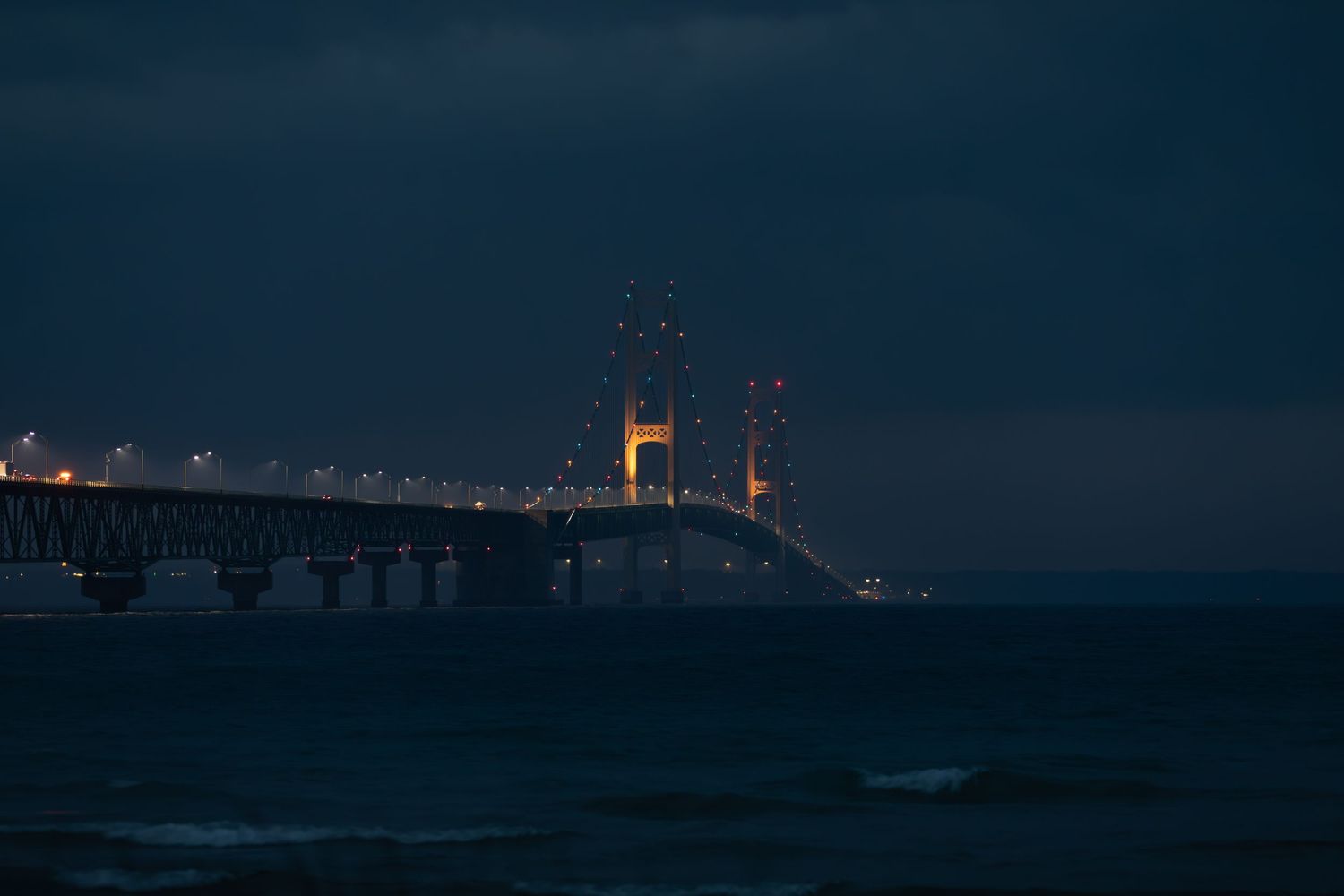
The Mackinac Bridge, often referred to as the "Mighty Mac," stands as a modern engineering marvel and a testament to human ingenuity. Spanning the Straits of Mackinac, the bridge connects Michigan's Upper and Lower Peninsulas, effectively linking two distinct regions of the state. Construction of the bridge began in 1954 and was completed in 1957, after three years of intensive labor and engineering feats. At the time of its completion, the Mackinac Bridge was the longest suspension bridge in the world, spanning a total length of 26,372 feet. The bridge not only facilitated transportation and commerce but also transformed the region's economy by fostering tourism and development on both sides of the straits.
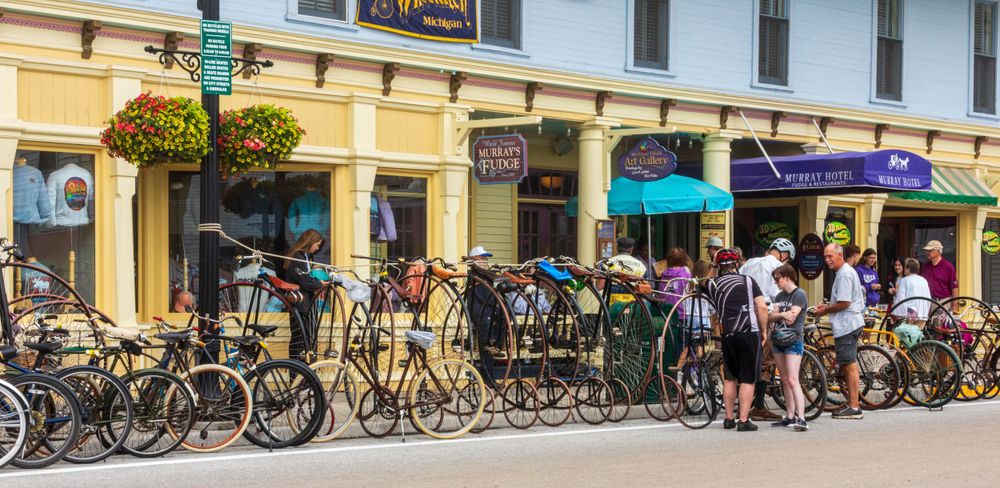
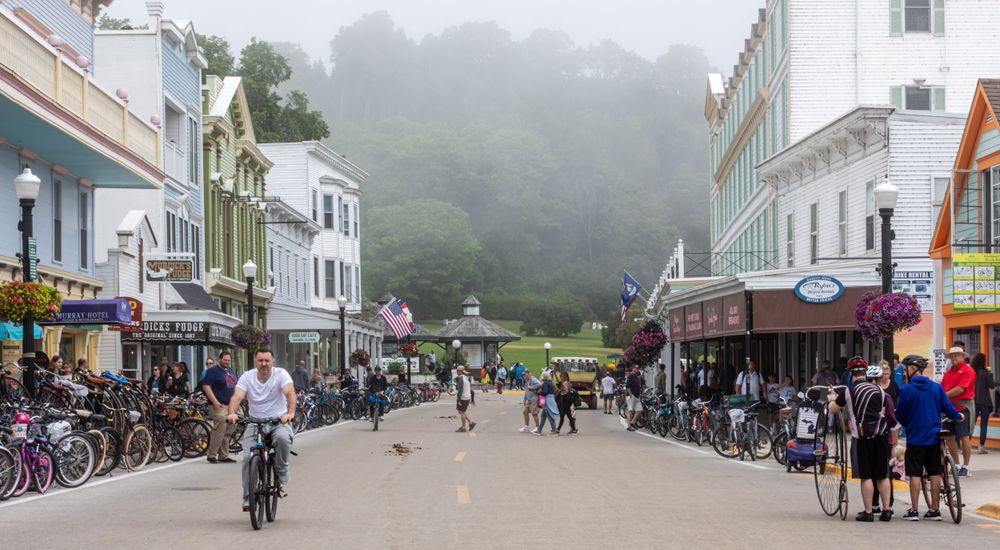
Today, Mackinac Island and the Mackinac Bridge continue to attract visitors from around the world, each offering a unique glimpse into Michigan's rich history and natural beauty. Mackinac Island's well-preserved Victorian architecture, horse-drawn carriages, and absence of motor vehicles transport visitors back in time to a bygone era. Meanwhile, the Mackinac Bridge remains an iconic symbol of Michigan's engineering prowess and serves as a vital lifeline for residents and travelers alike, facilitating the flow of commerce and connecting communities across the Great Lakes region.